


Views: 0 Author: Site Editor Publish Time: 2026-05-12 Origin: Site


Thin-wall manufacturing operates on razor-thin margins and extreme sub-second cycle requirements. In this fast-paced environment, manual handling creates immediate production bottlenecks. Sub-optimal automation also fails to meet your daily demand. You reach a critical performance threshold very quickly. A standard thin wall injection molding machine easily outpaces conventional takeout methods. When molds open and close in fractions of a second, human operators cannot keep up. Strategic integration of high-speed robot arms solves this problem. It is not just about replacing labor on the factory floor. It is a mandatory upgrade for maximizing your cycle output. It drastically reduces material scrap. True automation also enables advanced workflows like In-Mold Labeling (IML). In this guide, you will learn how to overcome these high-speed bottlenecks. We will explore selecting the right equipment architecture for your facility. You will also discover the core evaluation criteria needed for successful deployment.
Cycle Time Reduction: High-speed linear and side-entry robots can consistently match the sub-3-second cycles of specialized thin-wall machines.
Payload vs. Speed: Evaluating end-of-arm tooling (EOAT) weight alongside payload capacity is critical to preventing vibration and preserving repeatability.
Advanced Integration: True automation goes beyond takeout, encompassing IML synchronization, automated stacking, and visual inspection without adding cycle time.
Risk Mitigation: Successful deployment requires standardized interface compatibility (e.g., Euromap 67/73) and strict adherence to structural rigidity parameters.
The baseline problem in thin-wall manufacturing revolves around extreme speed. Food packaging and medical consumables require incredibly thin physical walls. These thin walls cause the plastic to cool in fractions of a second. Human operators face severe physical limitations here. They simply cannot reach into a machine safely at these speeds. Standard multi-axis robots also struggle in this environment. They carry too much mechanical inertia. Their complex joint movements cause unavoidable delays. You need instant extraction to maintain productivity.
Cycle output economics dictate your overall factory success. Every single millisecond matters during production. You shave tiny fractions of time off the mold-open phase. This directly compounds your daily output. Imagine saving half a second per cycle on a fast machine. You run thousands of cycles daily. That small time saving creates massive annual yield increases. You utilize your equipment to its absolute maximum potential. Slow takeout methods throttle your expensive molding machinery.
Quality control presents another harsh reality. Automated takeout guarantees perfect consistency. Thin-wall parts warp very easily. Uneven ambient cooling destroys product integrity. Erratic manual handling causes immediate part deformation. A synchronized robot arm extracts parts perfectly every single time. It pulls the hot plastic at the exact same temperature every cycle. This stops warpage completely. You maintain strict quality control standards effortlessly. Your scrap rates drop to near zero.
Program your robot to enter the mold space exactly as it opens.
Use vacuum sensors to confirm part capture before moving.
Maintain constant cooling temperatures in your factory environment.
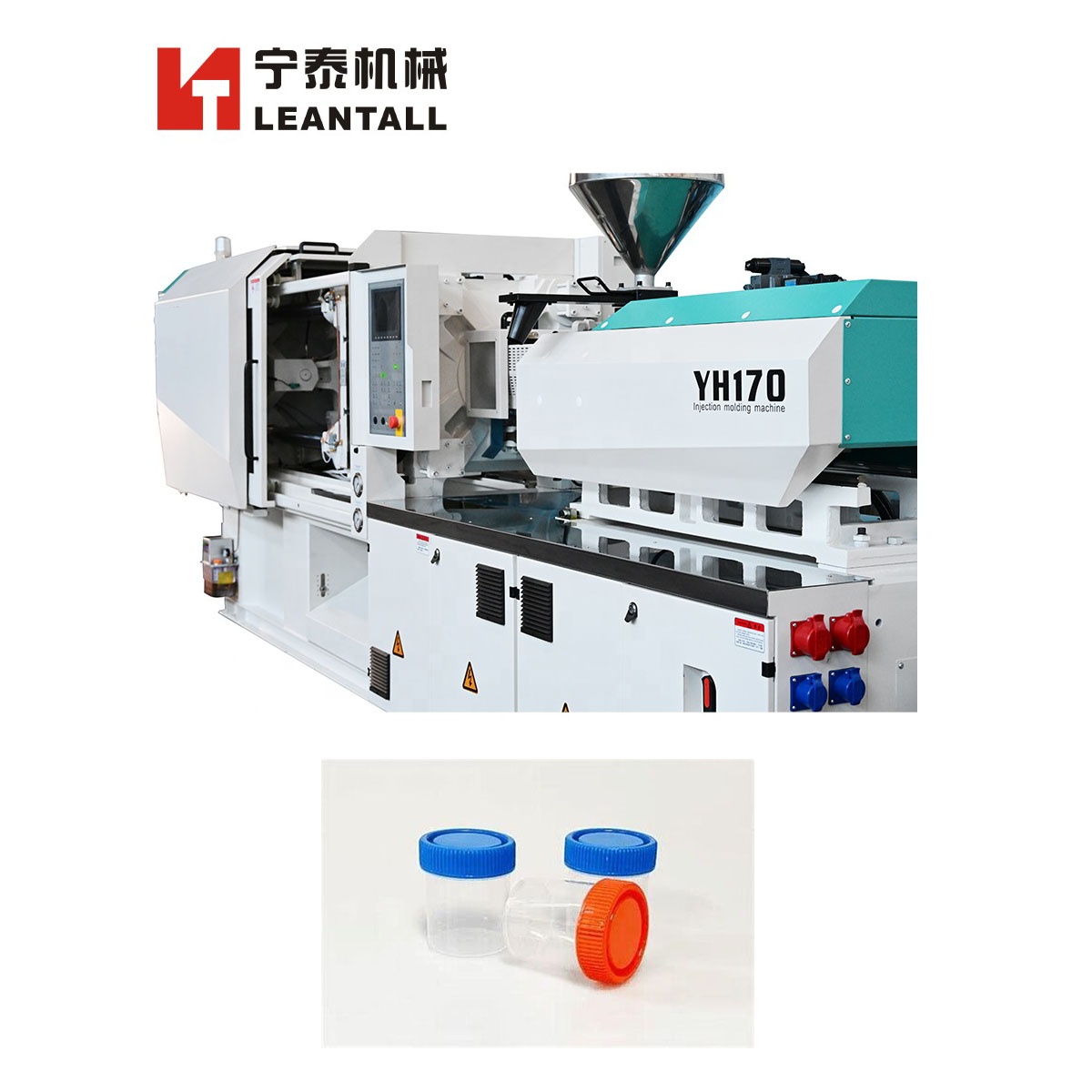
Choosing the correct equipment architecture is a critical engineering decision. Different mechanical designs serve very different operational goals. You must match the robot design to your specific product requirements. A mismatch causes severe production delays.
These units suit general manufacturing applications perfectly. A standard high speed injection molding machine pairs incredibly well with them. They execute standard takeout routines reliably. They handle simple stacking tasks at the end of the line. Their main advantages include easy programming interfaces. They also occupy very little factory floor space. They sit neatly on top of your machine. However, their vertical stroke presents a slight disadvantage. They must travel deeply down into the machine. Then they must travel all the way back up. This vertical motion marginally extends your mold open time.
You need these machines for ultra-fast production cycles. Thin-wall packaging demands sub-2-second speeds constantly. Side-entry models deliver the absolute fastest mold-intrusion times available. They enter the mold area horizontally. Machine tie-bar spacing does not restrict their rapid movement. They slip in and out instantly. The main disadvantage is their physical size. You will need a much larger footprint next to your machine. They require dedicated floor space to operate safely.
We position articulated models strictly for secondary operations. They lack the extreme linear speed required for primary thin-wall takeout. Their complex joints limit their rapid acceleration. However, they handle post-mold processing beautifully. You use them for complex assembly tasks. They excel at final palletizing. Keep them away from sub-second mold extraction duties.
Robot Architecture | Best Application | Primary Advantage | Primary Limitation |
|---|---|---|---|
Top-Entry Linear | Standard high-speed takeout & stacking | Minimal floor space, cost-effective | Vertical stroke extends mold open time |
Side-Entry Linear | Sub-2-second thin-wall packaging | Fastest horizontal mold intrusion | Requires large adjacent floor footprint |
Articulated (6-Axis) | Post-mold processing & palletizing | High flexibility and complex motion | Too slow for primary thin-wall takeout |
Evaluating new automation requires strict engineering discipline. You cannot rely on basic brochure specifications alone. You must analyze dynamic performance metrics carefully. This ensures long-term operational stability.
Payload versus dynamic performance is a crucial calculation. You must calculate the total moving payload accurately. You always add the weight of your plastic part to the weight of your End-of-Arm Tooling (EOAT). Never maximize your theoretical payload capacity. Pushing limits degrades your mechanical acceleration severely. It also induces extreme vibration during rapid movement. A vibrating mechanical arm destroys extraction repeatability. It will miss the part entirely.
Component | Weight Example | Actionable Advice |
|---|---|---|
Plastic Part Weight | 50 grams | Measure the maximum possible shot weight. |
EOAT Weight (Carbon Fiber) | 1.5 kg | Use ultra-lightweight materials strictly. |
Total Payload | 1.55 kg | Keep total below 70% of max rated capacity. |
Control system synchronization prevents catastrophic collisions. Your equipment must communicate instantly. The robot controller needs a direct, unhindered line to the molding machine. Real-time communication is mandatory for safety. We rely heavily on standard industry protocols here. Euromap 67 and Euromap 73 lead the global industry. They guarantee a seamless safety handshake between disparate machines. They allow rapid signal exchanges without processing lag.
Structural rigidity handles intense mechanical forces. High speeds create massive kinetic energy. Deceleration forces are particularly brutal on machinery. You need reinforced steel frames. Premium linear guides are absolutely non-negotiable. They dampen vibration completely. They ensure your arm stops precisely at the same millimeter every single time. Flimsy frames will flex and bend over time. This ruins your production accuracy.
In-Mold Labeling (IML) represents the peak of modern automation efficiency. It combines multiple processing steps into one continuous action. The IML workflow requires absolute precision and timing. We map it out in three highly synchronized steps.
Dummy Label Pick-up: The equipment acquires a static-charged label from a high-speed magazine dispenser.
Static Pinning: It places the label precisely inside the open mold cavity. Static electricity holds it firmly against the metal wall.
Finished Extraction: The exact same arm removes the finished, labeled part instantly.
All three actions happen in a single, fluid motion. System integration dictates your hardware choices carefully. IML demands specific advanced hardware. You must use specialized high-speed side-entry robots. Top-entry models usually lack the necessary precision for label placement. You also need dedicated static charging equipment. This equipment ensures labels stay perfectly flat during injection.
The resulting business outcome transforms your entire operation. Moving from post-mold printing to IML eliminates secondary handling completely. You stop moving parts to separate printing stations. Your Overall Equipment Effectiveness (OEE) skyrockets. Hygiene compliance improves drastically for food-grade packaging. Human hands never touch the unsealed containers. You produce a finished, sterile product right out of the mold.
Implementation poses several hidden complexities. Do not overlook the strict integration requirements. You will need custom End-of-Arm Tooling (EOAT) designed specifically for your unique parts. Standard tooling rarely works for high-speed thin-wall extraction. Safety guarding requires careful engineering planning. You must install reliable laser scanners or physical steel fences. Conveyor systems must match your rapid extraction speed seamlessly. A slow conveyor will cause an immediate pile-up of extracted parts.
Facility constraints dictate your factory layout heavily. Always measure your available space first. Top-entry models require very high ceilings. They extend far above the molding machine during operation. Obstructions like overhead cranes will block them entirely. Side-entry models demand wide factory aisles. You must assess your factory floor layout thoroughly. Plan your exact equipment footprint before taking delivery.
Operator adoption determines your long-term daily success. Your production team faces a steep learning curve initially. Modern control pendants look complex to new users. Vendor-provided training is absolutely vital for your team. You must prevent basic programming errors. Simple data entry mistakes cause massive production downtime. Proper, comprehensive training ensures smooth daily operations. Your staff must understand the new interface completely.
Skipping operator interface training sessions.
Ignoring overhead clearance measurements before installation.
Using heavy aluminum for custom EOAT instead of carbon fiber.
Shortlisting potential vendors requires strict validation. You cannot choose partners based solely on marketing claims. You must verify their real-world integration experience.
Compatibility Checks: Demand proven, documented case studies. Your vendor must know your exact molding machine brand intimately. They must understand your specific tonnage requirements. A mismatch in communication protocols will stall your project completely.
Performance Guarantees: Never accept vague speed promises. Ask for complex digital cycle-time simulations. Require physical payload capacity proofs. You need concrete data before signing any equipment contracts.
Pilot Program: Test the waters safely first. Audit a single high-volume production cell. Optimize this one specific process completely. Let your operators learn on a single system. Once you perfect this cell, roll out plant-wide automation confidently.
Evaluating vendor support structures is equally important. Ensure they offer rapid technical assistance. When high-speed lines go down, you lose product rapidly. Your vendor must provide immediate troubleshooting support. Verify their spare parts availability in your specific region.
Automating thin-wall production challenges the fundamental laws of physics. It demands perfect hardware synchronization across multiple systems. It is not a simple accessory purchase. Every millisecond counts toward your daily yield. Careful selection of your mechanical architecture ensures long-term stability. Proper payload management prevents vibration and wear. Overcoming facility constraints guarantees a safe working environment for your operators.
Your next steps require decisive action. Schedule a comprehensive cycle-time audit for your facility today. Request a detailed payload calculation worksheet from your chosen automation vendor immediately. Consult an experienced automation engineer to evaluate your current production line. A proactive approach guarantees a seamless transition to high-speed automation.
A: Yes, but it requires specific electrical upgrades. Your older machine needs modern controller interfaces. You must install standard Euromap 67 or 73 communication ports. The machine also needs fast-acting mold movement capabilities. Without quick hydraulics or servo toggles, the robot will simply wait. Upgrade your machine controls first before installing automation.
A: EOAT design directly dictates your maximum operating speed. Heavy tooling forces the mechanical joints to move slower. We recommend ultra-lightweight materials like carbon fiber. Optimized vacuum cup placement is also critical. It secures the plastic part instantly. This drastically reduces your total payload. It stabilizes extraction speeds and prevents dropped parts entirely.
A: We measure ROI strictly through production volume increases and scrap reduction. Continuous 24/7 operation yields the absolute fastest results. You typically achieve a full operational payback within 12 to 18 months. This rapid timeline depends heavily on your specific cycle time improvements. It also factors in drastically reduced manual handling defects.


