


Views: 0 Author: Site Editor Publish Time: 2026-10-07 Origin: Site


High-speed manufacturing leaves zero room for mechanical lag. When you run thin-wall packaging, profitability comes down to fractions of a second. A cycle time deviation of just 0.1 seconds destroys production margins over a 24-hour run. High injection speeds, extreme clamping forces, and rapid cooling requirements subject your equipment to accelerated wear. Without a specialized, proactive maintenance protocol, operators face cycle time drift, increased scrap rates, and catastrophic mechanical failures. Flash and short shots quickly ruin a shift. Achieving consistent production requires moving beyond generic equipment upkeep. This guide details a rigorous, interval-based maintenance checklist tailored specifically for high-speed applications. It helps plant managers evaluate their current maintenance maturity, mitigate downtime risks, and determine when to leverage external experts. You need a system that treats maintenance as a production driver, not a background task. We will break down exactly what to inspect, when to lubricate, and how to measure wear before it stops your press.
Precision Demands Specialized Upkeep: Standard injection molding machine maintenance schedules are insufficient for thin-wall applications; high-speed toggle mechanisms and accumulator systems require higher-frequency lubrication and calibration.
Cycle Time is the Ultimate Diagnostic: Gradual increases in cycle time often point to underlying hydraulic degradation, servo motor fatigue, or clogged venting channels before a complete failure occurs.
Preventive vs. Reactive Economics: Implementing a strict 50,000-shot and monthly preventive checklist drastically reduces long-term operational costs by preventing tie-bar breakage and premature mold wear.
Support is a Strategic Asset: Partnering with OEM-level injection molding technical support for annual audits ensures platen parallelism and injection unit alignment remain within factory tolerances.
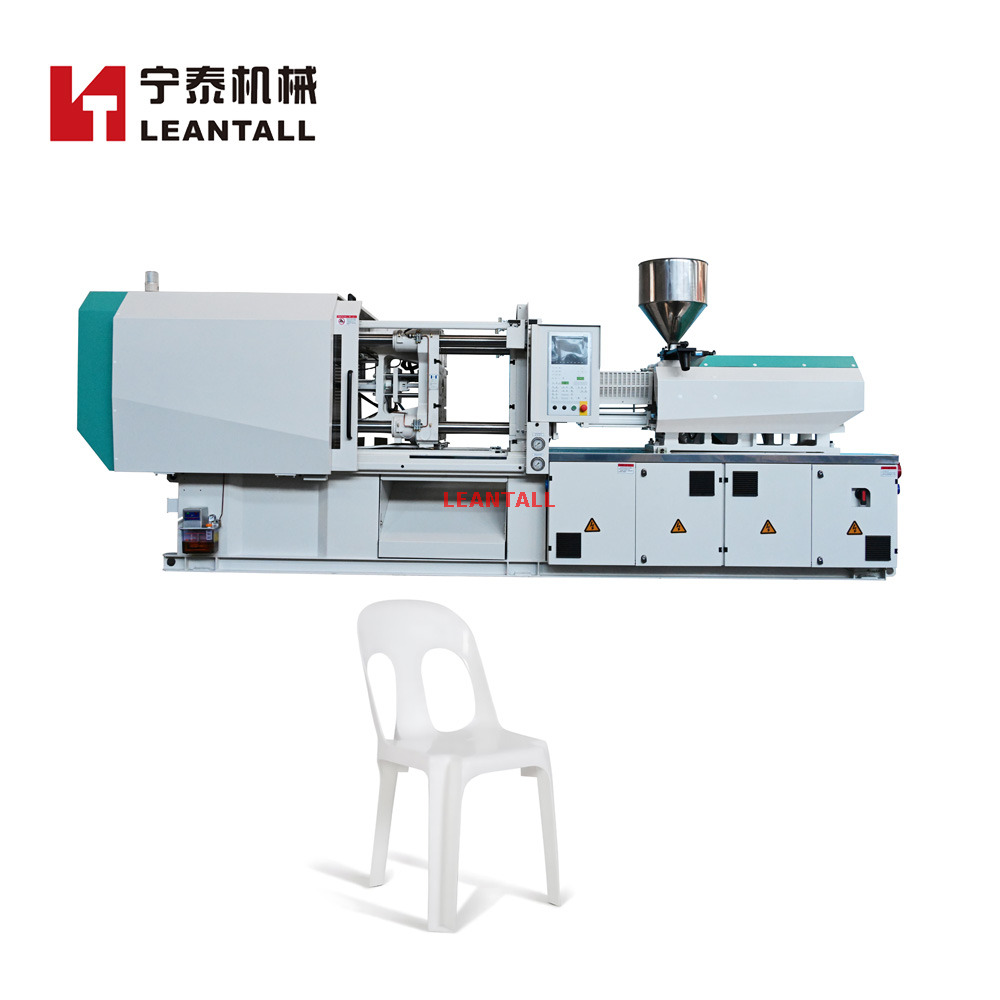
Operating a Thin Wall Molding Machine introduces extreme mechanical stresses not found in standard molding environments. Injection speeds routinely exceed 500 mm/s. Cavity pressures spike dramatically within milliseconds. These operational baselines force machine components to perform at their absolute limits. Standard hydraulic pumps cannot supply oil fast enough to achieve these fill rates, requiring accumulator systems to discharge massive volumes of hydraulic fluid instantly. High-response servo valves actuate with zero margin for lag, directing this fluid to the injection cylinders.
The clamping unit faces equally brutal conditions. The toggle mechanism slams shut and locks up under immense tonnage, bearing disproportionate mechanical loads compared to standard cycle times. A successful maintenance program must account for these violent forces. It must preserve the machine's ability to hit peak injection pressure instantly. Any pressure drops or recovery delays directly impact part quality. You cannot treat high-speed equipment like a general-purpose press. The tolerances are tighter, the speeds are faster, and the margin for error is virtually nonexistent. Tie bars stretch and compress thousands of times per shift, demanding perfect lubrication to prevent metal-on-metal galling.
Cycle time drift is the silent killer of thin-wall profitability. When a 4.0-second cycle creeps up to 4.2 seconds, you lose thousands of parts per shift. Identifying the root causes of this degradation is critical. Hydraulic fluid contamination is a primary culprit. Microscopic debris scores valve spools, causing internal bypassing. When oil slips past a closed valve, the system loses pressure, forcing the pumps to work longer to achieve the setpoints.
Worn check rings, or non-return valves, allow molten plastic to slip backward over the screw during injection. This slippage forces the machine to inject longer to achieve the same cavity pressure, extending the fill time. Compromised cooling channels also extend cycle times. Scale buildup acts as an insulator, preventing efficient heat transfer from the plastic to the cooling water. A scale layer just 0.1mm thick can reduce heat transfer efficiency significantly. This compounding effect is dangerous. Minor wear in the plasticizing unit leads to longer recovery times. Sluggish valves delay mold opening. Together, these small delays accumulate, directly threatening your ability to maintain a stable molding cycle.
Daily inspections form the frontline defense against unexpected downtime. Before the first shot is fired, operators must verify the operation of all safety gates, interlocks, and emergency stop mechanisms. High-speed machines move violently; safety cannot be compromised. Next, inspect high-pressure hydraulic hoses and accumulator lines. Look for micro-leaks or weeping at the fittings. A small drip today becomes a blown hose tomorrow under thin-wall pressures.
Check the hopper, feed throat, and material handling systems. Dust accumulation or blockages restrict material flow, causing inconsistent shot weights. Conduct thorough post-cycle and shift-change sweeps. Remove debris, plastic stringers, and foreign matter from the mold area. Leaving a small piece of plastic on the parting line can cause catastrophic mold crush on subsequent high-tonnage cycles. Keep the platen area spotless to keep parts to spec.
Implement a strict daily walkaround protocol:
Test the front and rear operator safety gates to ensure limit switches trigger immediate machine halts.
Inspect the purge guard and nozzle alignment to prevent plastic blowback.
Check the hopper magnet and clean off any ferrous metal shavings to protect the screw and barrel.
Verify the mold cooling hoses are routed cleanly without kinks that could restrict water flow.
Sweep the machine base to identify any fresh oil drips that indicate a developing hydraulic leak.
The toggle mechanism is the beating heart of the clamping unit. Confirm the automatic lubrication system is functioning perfectly. Check for adequate reservoir levels and correct line pressure. Do not simply trust the gauge on the auto-lube pump. Physically inspect the toggle pins and bushings for proper grease distribution. Thin-wall speeds generate immense friction. You must use specific high-temperature, high-load lubricants designed for rapid cycling, typically an NLGI Grade 2 lithium complex grease.
Wipe down and inspect the tie bars daily. Look for scoring, galling, or uneven lubrication. Dry tie bars increase friction, forcing the clamp to work harder and slowing down the lock-up sequence. Proper injection molding machine maintenance at the daily level prevents premature wear on these expensive structural components. If you notice bronze dust accumulating near the toggle bushings, the lubrication system is failing to deliver grease to that specific joint, requiring immediate manual intervention and line clearing.
In thin-wall applications, 50,000 shots can accumulate in just a few days. Frequent mold and venting maintenance is mandatory. Assess parting line witness marks for signs of crush and wear. Heavy witness marks often indicate clamping force imbalances or severe over-packing. Clean all parting lines, vent channels, and vacuum systems thoroughly. Fast fill rates trap air quickly. Blocked vents cause gas traps and diesel burns, ruining the cosmetic finish of the part and potentially pitting the mold steel.
Verify clear gas escape paths using appropriate cleaning solvents or dry ice blasting. Inspect and lubricate ejector pins, stripper plates, and slide mechanisms. High-speed ejection requires smooth, frictionless movement. Finally, verify cooling channel flow rates. Check for scale buildup that could delay cooling times. Use flow meters to ensure each circuit receives the specified gallons per minute. Do not rely on feeling the temperature of the return hoses; use empirical data to confirm turbulent flow is achieved in every cooling circuit.
Monthly checks dive deeper into the machine's internal health. Review the OEM minimum maintenance checklist first. Ensure all supplier-recommended baseline tasks are completed before advancing to custom high-speed diagnostics. Analyze the hydraulic oil condition. Check for oxidation, particulate contamination, and water ingress. Take oil samples and send them to a lab for particle count and Total Acid Number (TAN) analysis. Replace filters strictly as dictated by pressure drop indicators, not just by the calendar.
Inspect the drive systems on your equipment. Check cooling fans, clean heat sinks, and verify motor cable connections for secure seating. Vibration loosens electrical connections over time. Calibrate the accumulator nitrogen pre-charge pressure. An under-charged accumulator cannot deliver the instantaneous burst of oil required for high-speed injection, leading to short shots and pressure stalls. Use a specialized charging kit to verify the nitrogen pressure matches the factory specification exactly.
Annual maintenance requires precision measurement tools and dedicated downtime. Measure platen parallelism using dial indicators mounted on magnetic bases. Misalignment under high tonnage causes flash, uneven part weights, and premature mold damage. Inspect the screw and barrel for wear. Pull the screw and specifically measure the clearance of the check ring assembly using a micrometer. A worn check ring destroys process repeatability and makes holding a consistent cushion impossible.
Evaluate tie bar stretch and tonnage distribution. Recalibrate the clamping force sensor to ensure even lock-up across all four tie bars. Uneven stretch leads to broken tie bars and cracked platens. Check the leveling pads of the machine base. High-speed cycling can cause the machine to walk or settle over time, throwing the entire frame out of level and accelerating wear on the linear guide rails.
Maintenance Interval | Component Focus | Specific Action Items | Direct Impact on Production |
|---|---|---|---|
Daily / Shift Change | Safety & Mold Area | Test safety gates, sweep parting line, check for hydraulic weeping, wipe tie bars. | Prevents catastrophic mold crush, galling, and immediate machine faults. |
10,000 - 50,000 Shots | Venting & Ejection | Clean vent channels with solvent, lubricate ejector pins, verify cooling flow rates. | Eliminates gas traps and diesel burns; ensures rapid cooling and smooth part ejection. |
Monthly | Hydraulics & Accumulators | Pull oil sample for lab analysis, check filter indicators, verify nitrogen pre-charge. | Maintains millisecond injection response and prevents proportional valve stiction. |
Quarterly | Plasticizing Unit | Measure check ring clearance, inspect heater bands, calibrate barrel thermocouples. | Ensures consistent shot weight, stable cushion, and accurate melt temperatures. |
Annually | Alignment & Calibration | Measure platen parallelism, calibrate tonnage sensors, check machine leveling. | Ensures even clamping force distribution; prevents flash and structural frame damage. |
Upgrading to a servo injection molding machine offers massive energy savings, but only if the mechanical systems remain in top condition. Degraded components force the servo motor to work harder. If a hydraulic pump wears out and loses volumetric efficiency, the servo motor must spin faster and longer to achieve the same pressure. This negates the energy-saving benefits of the servo drive and increases the thermal load on the motor.
Bypassing valves create a similar problem. When oil leaks past a worn spool, the system loses pressure. The closed-loop controller detects this drop and commands the servo to ramp up, consuming excess electricity and generating unwanted shear heat in the oil. Strict maintenance preserves the servo system’s efficiency. Clean oil, tight valves, and calibrated sensors keep the motor operating within its optimal power band. Regularly blowing out the servo drive heat sinks with compressed air prevents the electronics from overheating during continuous high-speed runs.
Thin-wall molding relies on millisecond response times. Contaminated oil or worn proportional valves increase this response time. When a valve spool sticks due to varnish buildup, the injection profile lags. The machine fails to transition from velocity to pressure control accurately, causing over-packed parts or flashing. High-response valves require oil cleanliness levels far stricter than standard gear pump systems.
You need a framework for evaluating when to rebuild versus replace components. Minor spool wear might be mitigated by a professional rebuild. However, if the valve body itself is scored, replacement is the only way to maintain high-speed tolerances. Do not risk your production schedule on patched-together hydraulic components. Maintain strict fluid cleanliness to protect these highly sensitive valves. Implement offline kidney-loop filtration systems to continuously polish the oil and remove sub-micron particles that standard inline filters miss.
Stopping a high-volume production run for maintenance creates operational friction. Plant managers hate seeing idle machines. However, skipping maintenance guarantees longer, unplanned downtime later. You must balance these competing interests. Provide strategies for integrating 50,000-shot checks into planned mold changes or material changeovers. If the machine is already down for a color change, use that window to clean vents and inspect the check ring.
Apply Single-Minute Exchange of Die (SMED) principles to your maintenance routines. Stage tools, lubricants, and replacement filters at the machine before shutting it down. Train operators to perform parallel tasks. While one technician changes the hydraulic filter, another can wipe down the tie bars and grease the ejector mechanism. Efficient scheduling minimizes lost production hours while ensuring the equipment receives the care it needs. Track maintenance duration to continuously refine and speed up the preventive processes.
Not all maintenance tasks belong to your in-house team. You must delineate basic versus advanced steps. Assign daily cleaning, visual inspections, and basic lubrication to machine operators. Train your internal maintenance staff to handle filter changes, sensor replacements, and minor hydraulic repairs. However, reserve complex diagnostics for certified experts.
In-house teams often lack the specialized tools and software required for complex servo diagnostics or accumulator rebuilds. Define clear criteria for escalating issues. If you face persistent cycle time drift, software faults, or need platen resurfacing, it is time to call for help. Engaging professional injection molding technical support ensures that critical alignments and high-pressure system rebuilds are performed safely and accurately. OEM technicians possess the proprietary software needed to tune PID loops and recalibrate closed-loop control systems after major component replacements.
Evaluating maintenance requires looking at the big financial picture. Compare the predictable cost of routine filter changes, oil analysis, and check ring replacements against the catastrophic cost of a seized toggle or a crashed mold. A fresh hydraulic filter is cheap. A damaged mold and three weeks of lost production will devastate your quarterly margins. Preventive maintenance eliminates the chaos of emergency repairs and expedited shipping fees for heavy machine parts.
Frame maintenance not as an overhead cost, but as an insurance policy. This policy guarantees your ability to fulfill high-volume contracts on time. Establish a decision matrix for stocking critical spare parts locally versus relying on vendor lead times. Keep high-wear items like heater bands, thermocouples, check rings, and custom hydraulic hoses in your local crib. Rely on the OEM for large structural components, but know their lead times in advance. Documenting every failure helps you build an accurate predictive inventory model, ensuring you never wait on a part that historically fails every twelve months.
Take immediate action to protect your margins and equipment:
Download and implement a printable, interval-based maintenance checklist tailored to your specific machine tonnage and speed.
Schedule a comprehensive hydraulic oil analysis this week to establish a baseline for fluid health and particle contamination.
Audit your local spare parts inventory to ensure critical high-wear components are immediately available on the shelf.
Contact a technical support specialist to audit your machine's high-speed capabilities and verify platen parallelism.
A: You should verify the nitrogen pre-charge pressure in the accumulator at least once a month. High-speed thin-wall applications rely heavily on the accumulator for rapid oil discharge. A drop in pre-charge pressure directly causes sluggish injection speeds and short shots.
A: The most common causes are hydraulic fluid degradation and check ring wear. Contaminated oil causes valve lag, while a worn check ring allows plastic to slip backward during injection, forcing the machine to compensate with longer injection and recovery times.
A: Servo machines require strict attention to electrical connections, heat sink cleanliness, and motor cooling fans. While they use less oil and generate less heat, the hydraulic fluid must remain exceptionally clean to protect the highly sensitive, fast-responding servo valves from scoring.
A: Key indicators include inconsistent shot weights, a gradual increase in plasticizing time, and the inability to hold a stable cushion during the packing phase. If the screw bottoms out frequently, the check ring is likely leaking.
A: Basic steps include daily visual inspections, wiping down tie bars, and verifying safety gates. Advanced steps require specialized tools, such as measuring platen parallelism with dial indicators, rebuilding accumulator bladders, and performing vibration analysis on servo motors.
A: Escalate to external support when dealing with complex software faults, servo drive failures, platen resurfacing, tie-bar replacement, or when in-house troubleshooting fails to resolve persistent cycle time drift and flash issues.
A: Maintain parallelism by ensuring even lubrication across all tie bars and toggle pins. Annually, use dial indicators to measure the distance between platens at all four corners under full tonnage, and recalibrate the clamp force sensors to ensure even distribution.


