


Views: 0 Author: Site Editor Publish Time: 2026-07-01 Origin: Site


Packaging manufacturers face conflicting pressures today. You must reduce resin volume to lower production costs and meet strict global sustainability goals. At the same time, you must consistently increase production speeds to maintain healthy margins. Standard injection machines simply cannot handle the extreme pressure and injection speeds required for ultra-thin plastic profiles. They fail under immense stress, frequently causing severe part warpage, inconsistent wall dimensions, or complete mechanical breakdowns. A specialized thin wall injection molding machine is engineered specifically for these rigorous extremes. It features heavily reinforced clamping mechanisms, microsecond response times, and highly specialized plasticizing units. This guide breaks down the essential technical criteria, detailed drive system comparisons, and critical implementation risks you must evaluate for high-volume packaging lines.
Industry Baselines: True thin-wall molding requires handling wall thicknesses below 1mm and Flow-to-Thickness (L/T) ratios exceeding 150:1 (and often >400:1 for high-end packaging).
Drive System Selection: Hybrid and all-electric systems are replacing traditional hydraulic high speed injection molding machines due to sub-2-second cycle times, sub-0.3s response rates, and absolute cleanliness (oil-free).
System Integration: Viable deployments increasingly require built-in In-Mold Labeling (IML) capabilities and kinetic buffering to manage power grid spikes during high-pressure injection phases.
Risk Mitigation: Extreme injection pressures (frequently peaking around 35,000 psi / 2000+ bar) require heavily reinforced platens and specialized low-temperature plasticizing to prevent premature mold wear and high internal stress in parts.
Many industry professionals mistakenly classify any lightweight plastic part as a thin-wall application. However, the true industrial definition relies on precise mathematical thresholds rather than visual aesthetics. You need dedicated, specialized equipment when your manufacturing project crosses specific engineering parameters.
Wall Thickness Metrics: The universally accepted benchmark for this category is any component measuring below 1mm in wall thickness. Medical devices and advanced food containers often push this boundary below 0.5mm.
Flow-to-Thickness (L/T) Ratio: True thin-wall molding begins at an L/T ratio of 150:1. This metric measures the distance the molten plastic must travel divided by the wall thickness. Advanced packaging applications, such as large yogurt tubs or complex food pails, often push this ratio up to an astonishing 500:1.
Standard equipment fails spectacularly when confronted with these metrics. Conventional presses fundamentally lack the rapid injection speeds necessary to fill the mold cavity before the polymer inevitably freezes. Ultra-thin parts often demand peak injection speeds reaching up to 1200 mm/s. When a standard press attempts this demanding task, the result is predictable. You get short shots, extremely high molecular internal stress, and poor product toughness that shatters upon impact.
To succeed in this highly competitive space, you need a holistic equipment upgrade path. A true thin wall packaging molding machine requires comprehensive optimization. This includes the injection unit's screw and barrel, the clamping unit's overarching structural rigidity, and the precision of high-speed feedback controllers. Every single component must work in absolute synchronization to handle the extreme physics involved.
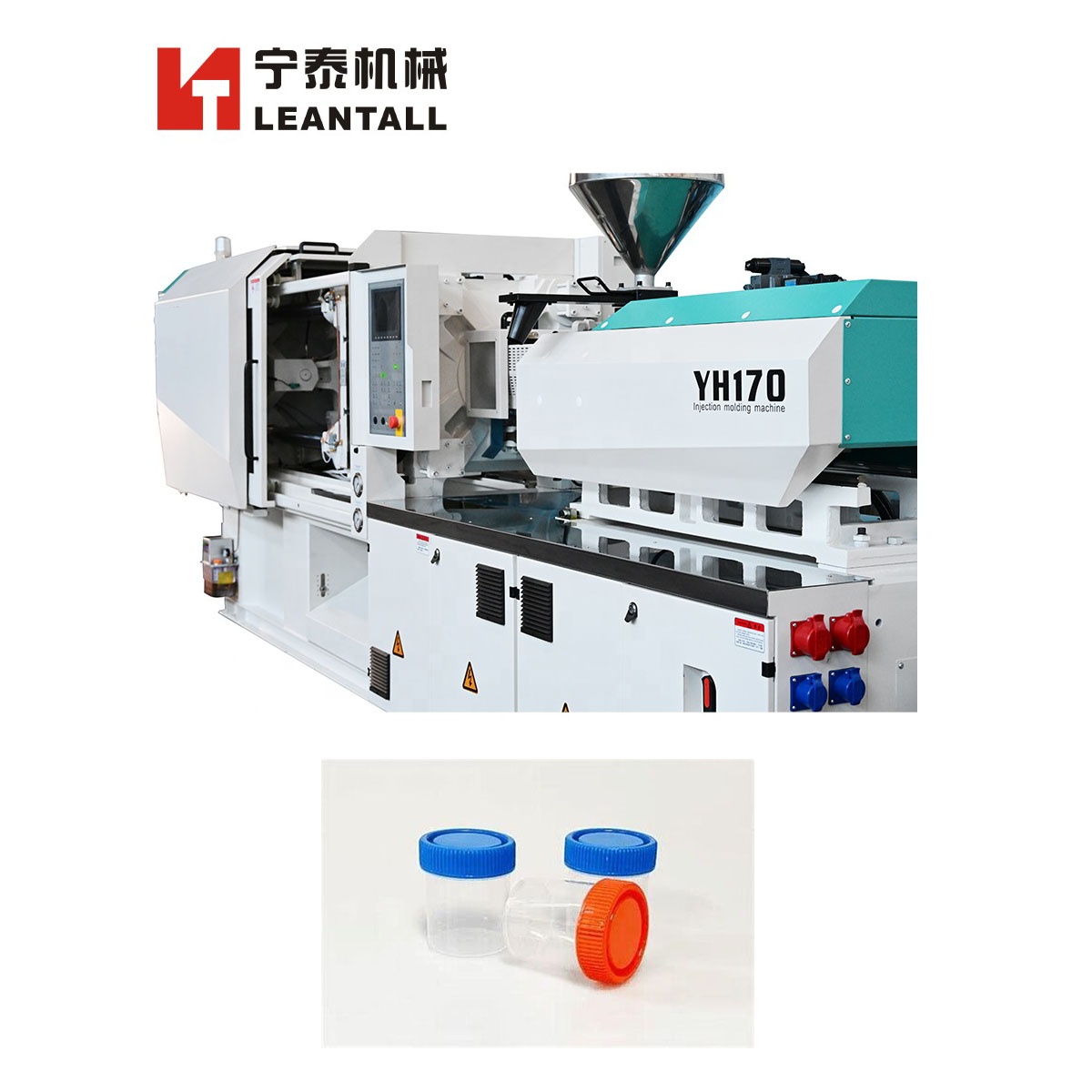
Choosing the appropriate drive system fundamentally dictates your production efficiency, energy consumption profile, and cleanroom capabilities. The modern industrial market offers three primary machine configurations, each tailored to specific manufacturing philosophies.
Drive System Type | Primary Application | Core Advantages | Notable Limitations |
|---|---|---|---|
All-Electric | Medical & Cleanroom | Ultimate motion precision, lowest energy consumption, zero hydraulic oil required. | Higher upfront capital expenditure; sometimes limited in ultra-high tonnage applications. |
Hybrid Systems | High-Volume Packaging | Combines electric energy efficiency with accumulator-assisted extreme pressure bursts. | Features a more complex maintenance footprint than strictly all-electric setups. |
High-Speed Hydraulic | Sustained Heavy-Duty | Lower initial equipment cost, highly durable for relentless production cycles. | Higher energy footprint, potential oil mist risks requiring enclosed systems. |
All-electric machines deliver absolute precision across every single axis of movement. They consume the least amount of energy and operate entirely without hydraulic oil. This absolute cleanliness makes them crucial for stringent food-grade and medical cleanroom compliance. However, they demand a significantly higher upfront investment. Furthermore, they are sometimes limited when scaling up to ultra-high tonnage applications requiring massive clamping forces.
Hybrid drive systems currently represent the gold standard for high-volume packaging manufacturers. They intelligently combine electric servo-driven movements for energy-efficient clamping with advanced, accumulator-assisted hydraulic injection. This unique combination delivers the extreme, sudden bursts of injection pressure required to form thin-wall parts flawlessly. While highly effective, they do present a more complex maintenance footprint than all-electric alternatives.
Traditional high-speed hydraulic machines still hold value, offering robust durability for sustained heavy-duty production cycles. They cost significantly less initially. However, they carry a much higher energy footprint. They also pose potential oil mist risks. If you use them for food packaging, you must install enclosed lubrication systems to prevent product contamination.
Map your technology choice directly to your facility’s specific constraints. Analyze your power availability, strict cleanroom requirements, and aggressive cycle time targets. If your production line demands sub-2-second cycle times, hybrid or all-electric configurations are strongly favored.
You must evaluate specific mechanical metrics meticulously before purchasing any machine. Success in this specialized niche relies heavily on balancing extreme mechanical forces with micro-precision control.
Extreme Injection Speed and Pressure: You must evaluate machines capable of delivering well over 2000 bar of injection pressure. Furthermore, the system response times must fall under 0.3 seconds. Fast response is absolutely critical to achieve optimal short-time injection states. This minimizes material freezing during the critical filling phase.
Uncompromising Clamping Rigidity: Standard platens will literally bend or warp under 35,000 psi of cavity pressure. You must demand heavily reinforced templates. Advanced clamping units often utilize robust 5-point toggles or advanced slide rail guides instead of traditional tie bars. This precise engineering prevents platen deflection. Deflection directly leads to inconsistent wall thickness, severe flashing, and rejected parts.
Low-Temperature Plasticizing Technology: High-speed injection naturally generates massive amounts of shear heat. Optimized screw designs allow for rapid, uniform melt generation at noticeably lower temperatures. This intelligent design reduces heating energy consumption, saving you roughly 5-8%. More importantly, it drastically lowers molecular internal stress within the plastic and measurably shortens the overall cooling cycle.
Best Practices: Always prioritize platen thickness and structural design over sheer clamping force numbers. A rigid machine with slightly less force often outperforms a flexible machine with higher rated tonnage.
Common Mistakes: Overlooking the plasticizing unit's screw design is a frequent error. Using a standard general-purpose screw for ultra-fast, low-temperature melting will result in poorly mixed polymer and weak container walls.
High-volume packaging production demands flawless, relentless automation. Modern equipment must seamlessly support advanced auxiliary systems to remain competitive in a fierce market.
In-Mold Labeling (IML) readiness is virtually non-negotiable for producing high-end consumer packaging. A modern machine must seamlessly integrate with sophisticated IML robotics. This provides a massive operational advantage. Single-step forming and decorating entirely eliminates the need for expensive secondary post-processing.
Furthermore, IML integration presents a powerful sustainability angle. Using labels made from the exact same material as the container—for example, utilizing a 100% Polypropylene (PP) label on a PP tub—enables fully recyclable, mono-material packaging. This single feature helps brands meet strict global recycling mandates easily.
Food-grade compliance dictates the fundamental design of your production cell. You must ensure clean production standards for demanding 24/7 food packaging runs. Look for machines featuring fully enclosed lubrication systems and guaranteed oil-mist-free operations. These specific features ensure absolute production cleanliness. They provide the peace of mind needed to maintain strict FDA and CE regulatory compliance consistently.
Deploying ultra-fast injection technology introduces unique operational challenges to your factory floor. You must proactively manage these distinct risks to ensure smooth, uninterrupted production.
Energy peak management requires immediate, serious attention from your engineering team. High-speed injection draws massive, instantaneous power spikes from your local electrical grid. You should actively evaluate machines equipped with kinetic buffering, also known as advanced energy storage systems. These brilliant systems shave peak loads off the electrical grid during the high-pressure injection phase. This technology drastically lowers utility penalties and greatly reduces your initial electrical installation demands.
Tooling and maintenance realities also require careful, long-term planning. Thin-wall molds are highly complex and notoriously expensive due to the extreme pressures they endure.
The Risk: The constant bombardment of high-pressure plastic causes premature wear on mold cavities and venting systems.
The Mitigation: Lower your hydraulic system pressures wherever possible through better part design. Additionally, choosing machines with highly accurate linear guidance systems will significantly extend your expensive mold life.
Finally, acknowledge your material constraints early in the planning phase. Thin-wall molding strictly requires high-melt-flow-index materials to succeed. Specific, highly engineered grades of PP, PE, PS, and PET work best. High-viscosity polymers or heavily filled plastics are generally unsuitable for these extreme speeds. Attempting to use them will cause severe process instability, equipment damage, and frequent short shots.
Selecting the right equipment dictates your overall success in the competitive packaging market. Purchasing a machine for thin-wall applications is a complex exercise in balancing extreme mechanical forces with absolute micro-precision.
Demand rigorous pilot runs using your specific packaging molds before making decisions.
Verify cycle times strictly. Target speeds of less than 2-4 seconds, depending entirely on your specific cavity count.
Push for measurable part weight reduction. Target 15-20% material savings without sacrificing structural integrity.
Evaluate peak energy draw metrics meticulously to avoid overwhelming your facility's power infrastructure.
Upgrading to a dedicated high speed injection molding machine ensures you remain at the forefront of the industry. It delivers the speed, cleanliness, and material efficiency that modern consumer packaging strictly requires.
A: Clamping force requirements span a wide spectrum based on application. Ranges typically fall between 100 kN for small, specialized medical components, up to 2500+ kN for multi-cavity food containers and large buckets. The exact requirement depends heavily on the projected area of the part and the total cavity count of the mold.
A: Polypropylene (PP) and Polyethylene (PE) serve as the industry standards due to their excellent, highly predictable flow characteristics. Manufacturers also utilize ABS, PS, and increasingly, Polylactic Acid (PLA) for environmentally friendly, biodegradable container solutions.
A: While thermoforming boasts significantly lower initial tooling costs, thin-wall injection molding offers vastly superior dimensional stability. It provides the unique ability to mold highly complex geometries, like secure snap-fit lids. Furthermore, it allows seamless integration with IML for high-end, consumer-ready aesthetics.
A: Generally, no. While you can add accumulators to standard machines to boost basic injection speed, standard platens and tie-bars usually lack the massive structural rigidity required. They cannot withstand extreme injection pressures without warping, which quickly leads to unacceptable scrap rates and severe mold damage.


