


Views: 0 Author: Site Editor Publish Time: 2026-07-15 Origin: Site


Medical-grade manufacturing carries extraordinarily high stakes. When producing precision components, non-conforming parts risk regulatory failure. They also trigger severe margin erosion. This financial risk escalates quickly because specialized medical polymers, such as COC, COP, and PP, are highly expensive. Reducing scrap is not just about tweaking machine parameters on the fly. It requires a systemic evaluation of your entire production cell. You must critically assess machine capability, tooling precision, and automated handling systems. We will provide a practical evaluation framework for upgrading or troubleshooting your molding operations. You will learn how to achieve scalable, compliance-ready yield rates. We will guide you through isolating root causes, optimizing your tooling, and integrating automation properly.
Root-cause isolation is the first step: differentiate between material, mechanical, and operational scrap sources.
Upgrading to a specialized syringe injection molding machine provides the closed-loop control necessary for medical-grade consistency.
Precision tooling (the syringe injection mold) and automated extraction (a cleanroom-certified robot arm) are mandatory investments for long-term defect reduction.
Sustainable scrap reduction requires rigorous IQ/OQ/PQ validation to ensure repeatability without constant operator intervention.
Before you can eliminate scrap, you must understand exactly what is failing. Syringe production involves complex geometries and tight tolerances. This makes the molding process highly sensitive to minor variations. You must accurately categorize defects to isolate their root causes.
Different defects point to entirely different failures in your production cell. Flash typically indicates excessive injection pressure or a worn tool. Short shots happen when plastic freezes before completely filling the cavity. Black specks usually signal material degradation inside the barrel. Dimension warping occurs when cooling rates are uneven across the part. Concentricity issues arise when core pins shift under high injection pressures.
Defect Type | Visual Indicator | Primary Root Cause | Secondary Root Cause |
|---|---|---|---|
Flash | Excess plastic on parting lines | Over-packing / Excessive pressure | Tool wear / Poor clamping force |
Short Shots | Incomplete syringe barrel flanges | Inadequate shot size | Poor mold venting |
Black Specks | Dark particles embedded in plastic | Material degradation in barrel | Contaminated resin batch |
Warping | Bent or distorted barrel shape | Uneven mold temperature | Ejecting parts too hot |
Concentricity | Uneven wall thickness | Core pin deflection | Unbalanced gate flow |
Many manufacturers mistakenly calculate scrap costs based solely on material loss. You must look far beyond the wasted resin. Machine downtime consumes valuable capacity. Manual sorting labor drains your operational budget. Energy waste adds up quickly when producing rejected parts. Furthermore, medical standards impose severe penalties. Under ISO 13485 standards, a high defect rate can trigger the quarantine of an entire batch. Investigating and documenting these failures costs thousands of dollars in administrative time alone.
You cannot improve what you do not measure. Establish a clear baseline operational tolerance before changing any equipment. Many legacy medical molding cells operate with a 5% scrap rate. Pushing that metric down to sub-1% completely transforms plant profitability. Use this specific delta to calculate the return on investment for your equipment upgrades.
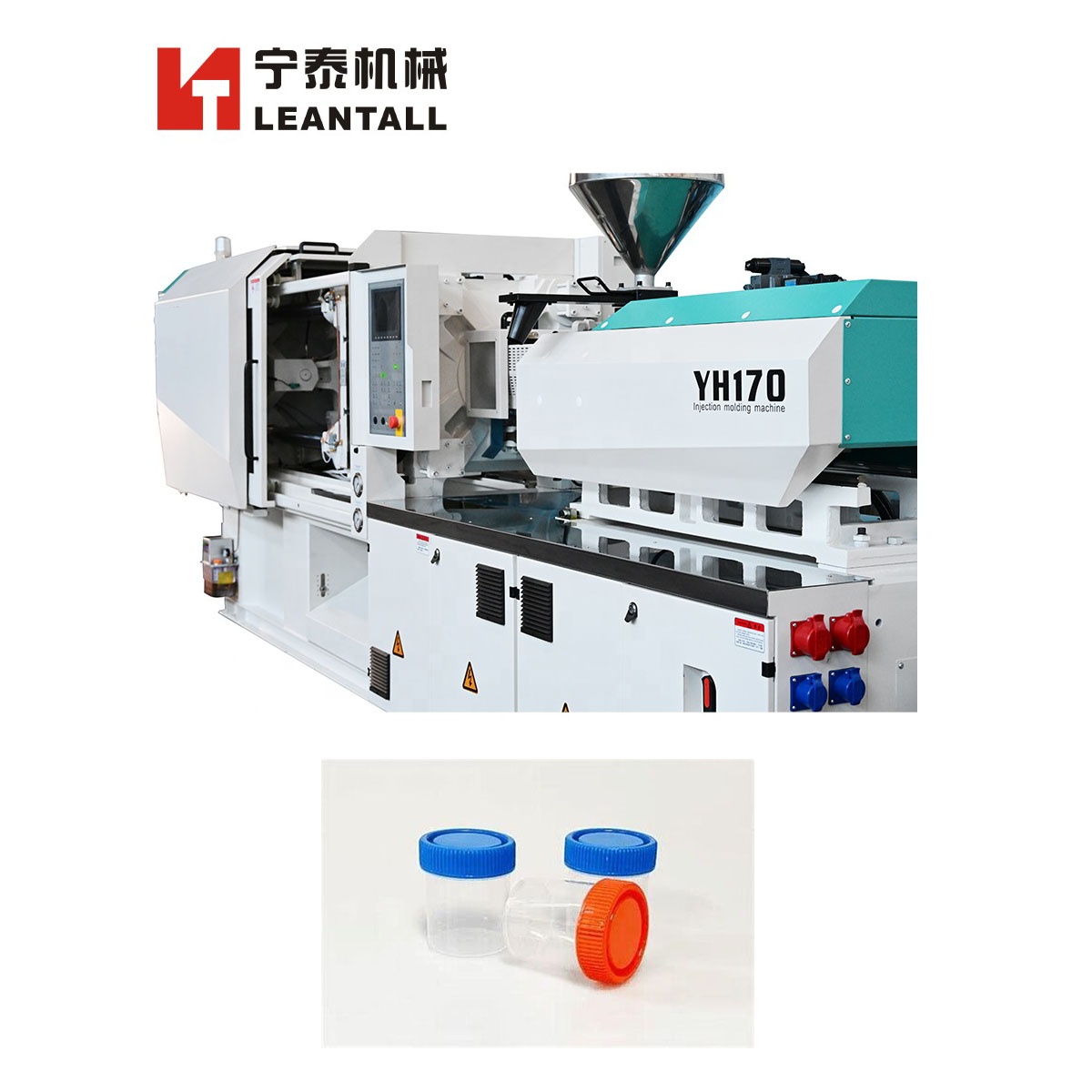
Process stability relies heavily on your primary pressing equipment. Legacy hydraulic machines often struggle with the micro-precision required for medical devices. A modern syringe injection molding machine utilizes all-electric or advanced hybrid drives to achieve absolute control.
The transition from hydraulic systems to all-electric presses marks a massive leap in capability. Hydraulic machines experience natural variations due to oil temperature fluctuations. These minor viscosity changes alter the injection speed. All-electric presses use servo motors to deliver exact mechanical repeatability. They guarantee that every single cycle matches the previous one perfectly.
Medical plastics require specialized handling. You must assess the screw design and barrel specifications of your machine. Standard screws can create too much shear heat. This degrades medical polymers and causes black specks. A specialized machine prevents this material degradation. It also ensures highly precise shot sizes. Accurate dosing prevents both short shots and flash simultaneously.
Open-loop systems react too slowly to prevent defects. You need closed-loop process control for medical-grade consistency. This involves real-time cavity pressure monitoring. Sensors inside the tool communicate directly with the machine controller. Adaptive control software then automatically compensates for minor material variations. It adjusts the switch-over point instantly to maintain perfect part weight.
Medical molding happens in highly regulated environments. Your machine design must actively prevent contamination. Look for tie-bar-less designs that keep the mold area completely clear. Ensure the machine uses encapsulated lubrication systems. These features prevent oil droplets or airborne particulates from reaching the sterile syringes.
Best Practice: Always calibrate your closed-loop sensors quarterly. Sensor drift is a common mistake that leads to false machine adjustments and unexpected scrap spikes.
Even the most advanced machine will produce scrap if the tooling is flawed. The syringe injection mold dictates the final physical properties of your product. You must engineer the tool for absolute uniformity across high-volume production runs.
Medical molds typically feature high cavity counts, such as 32, 48, or 64 cavities. Filling them simultaneously is extremely difficult. You must utilize rheologically balanced hot runner systems. These systems ensure that molten plastic travels the exact same distance to every cavity. They maintain uniform shear stress and pressure. Without precise cavity balancing, your inner cavities will flash while outer cavities suffer short shots.
Cooling dictates cycle time and dimensional stability. Traditional straight drilled cooling lines often leave hot spots in complex syringe molds. You should evaluate conformal cooling channels instead. These 3D-printed cooling lines wrap around the exact geometry of the syringe barrel. They extract heat uniformly. This eliminates uneven shrinkage, prevents warpage, and removes cycle time bottlenecks.
Trapped air causes catastrophic cosmetic and functional defects. Precision venting strategies are non-negotiable. You must pay special attention to delicate areas.
Luer Lock Area: Vent depths must be shallow enough to prevent flash but deep enough to let air escape rapidly.
Plunger Seal Ring: Poor venting here causes burn marks (dieseling) and compromises the airtight seal of the final product.
Parting Lines: Ensure vents are self-cleaning or easily accessible for maintenance during production runs.
Tool wear is inevitable, but sudden scrap spikes are preventable. You must implement predictive maintenance protocols for the mold. Track cycle counts religiously. Replace core pins and gate inserts before they show visible wear. Gradual degradation will slowly push your dimensions out of tolerance, ruining entire production runs.
Handling parts manually or letting them fall freely introduces massive risk. Automated extraction is critical for zero-defect medical manufacturing. Deploying a specialized robot arm protects your parts immediately after they leave the mold.
Relying on gravity-drop part ejection is a massive mistake in syringe manufacturing. When parts fall into a collection bin, they collide. This causes micro-scratches on the clear barrels. Furthermore, the friction of falling generates static electricity. Static attracts airborne dust and particulates, violating cleanroom standards. Parts also entangle easily, causing downstream feeding jams.
You must deploy a high-speed, cleanroom-rated extraction system. A synchronized robot removes the syringes precisely as the mold opens. This ensures perfectly consistent cycle times. Consistent cycles stabilize the mold temperature. The automation also protects delicate features like the barrel flanges from impact damage.
Extraction automation unlocks the ability to inspect parts instantly. You can integrate the robot with automated vision systems. As the robot holds the parts, cameras perform a 100% real-time inspection. The system measures concentricity, checks for black specks, and verifies the luer lock geometry. It isolates out-of-spec syringes immediately. Defective parts never reach your downstream assembly machines.
Before purchasing automation, conduct a strict scalability check. Follow these numbered steps to ensure seamless integration:
Evaluate Payload Capacity: Calculate the combined weight of your high-cavity parts and the end-of-arm tooling (EOAT).
Assess EOAT Precision: Ensure the grippers will not scratch or warp the warm plastic upon extraction.
Verify Integration Protocols: Confirm the system uses standard interfaces like EUROMAP. This ensures the robot and press communicate instantly without lag.
Upgrading your molding cell introduces temporary disruption. You must manage these implementation risks carefully. A structured approach guarantees a smooth transition from legacy equipment to advanced automation.
In medical manufacturing, you cannot simply plug in a new machine and start producing. Any machine or mold change requires rigorous re-validation. You must complete Installation Qualification (IQ), Operational Qualification (OQ), and Performance Qualification (PQ). This process proves the equipment consistently produces compliant parts. Factor this mandatory downtime into your production scheduling and budget forecasts.
Advanced equipment relies on consistent inputs. Acknowledging material limitations is vital. Even the best machinery cannot fix poorly dried resin. Highly degraded batches will still cause black specks and brittleness. You must pair your new presses with high-quality material handling and drying systems.
Human error remains a significant risk. Operators often feel tempted to override automated parameters when they see a minor issue. This destroys closed-loop stability. You must implement strict user access levels. Lock critical process parameters behind supervisor passwords. Provide comprehensive training so operators understand how the new adaptive controls function.
How do you audit your current cell to decide where to invest? We have created a simple framework to guide your decision-making process.
Step | Action | Expected Outcome |
|---|---|---|
Step 1: Analyze Defect Data | Categorize scrap for 30 days. Identify the top three recurring defects. | Pinpoint whether the issue is material, mold, or machine-related. |
Step 2: Audit Mold Health | Inspect core pins, vents, and hot runner balance. | Determine if tool refurbishment can solve the scrap issue immediately. |
Step 3: Evaluate ROI | Compare machine upgrade benefits versus adding automated extraction. | Allocate budget to the solution that guarantees the highest yield increase. |
Achieving minimal scrap in syringe manufacturing demands absolute synergy. You must align your machine, your mold, and your automation system flawlessly. Treating isolated symptoms with constant parameter adjustments will only lead to frustration. Instead, invest heavily in fundamental process capability and mechanical repeatability.
Stop accepting 5% scrap as a normal cost of doing business. Focus on long-term stability through all-electric precision and automated handling. Take action today to protect your margins. Request a comprehensive process audit from an equipment specialist. Book a technical machinery demo to see closed-loop control in action. Download a specialized ROI calculator to build your business case for automated medical molding cells.
A: Industry benchmarks for highly optimized, multi-cavity syringe setups target a scrap rate of less than 1% to 2%. Legacy systems often hover around 5%. Pushing below 1% requires closed-loop control, precise mold balancing, and automated part handling to eliminate manual contamination and inconsistency.
A: All-electric presses drastically reduce defects by providing absolute shot-to-shot consistency. Servo motors replace oil-driven hydraulics, eliminating viscosity variations caused by temperature changes. They offer faster response times for injection pressure switch-overs and easily meet ISO cleanroom standards by removing the risk of oil leaks.
A: Yes, retrofitting is highly effective. You must ensure your existing press features a standard EUROMAP interface for seamless communication. You must also account for overhead space constraints in your cleanroom. Finally, you will need customized end-of-arm tooling (EOAT) designed specifically for your syringe barrel dimensions.
A: Hot runners control the melt temperature directly up to the cavity. If poorly balanced, they cause uneven residence time and excessive shear stress. This degrades medical polymers, resulting in black specks and brittle parts. A rheologically balanced system ensures uniform temperature profiles, eliminating these critical scrap drivers.


